-
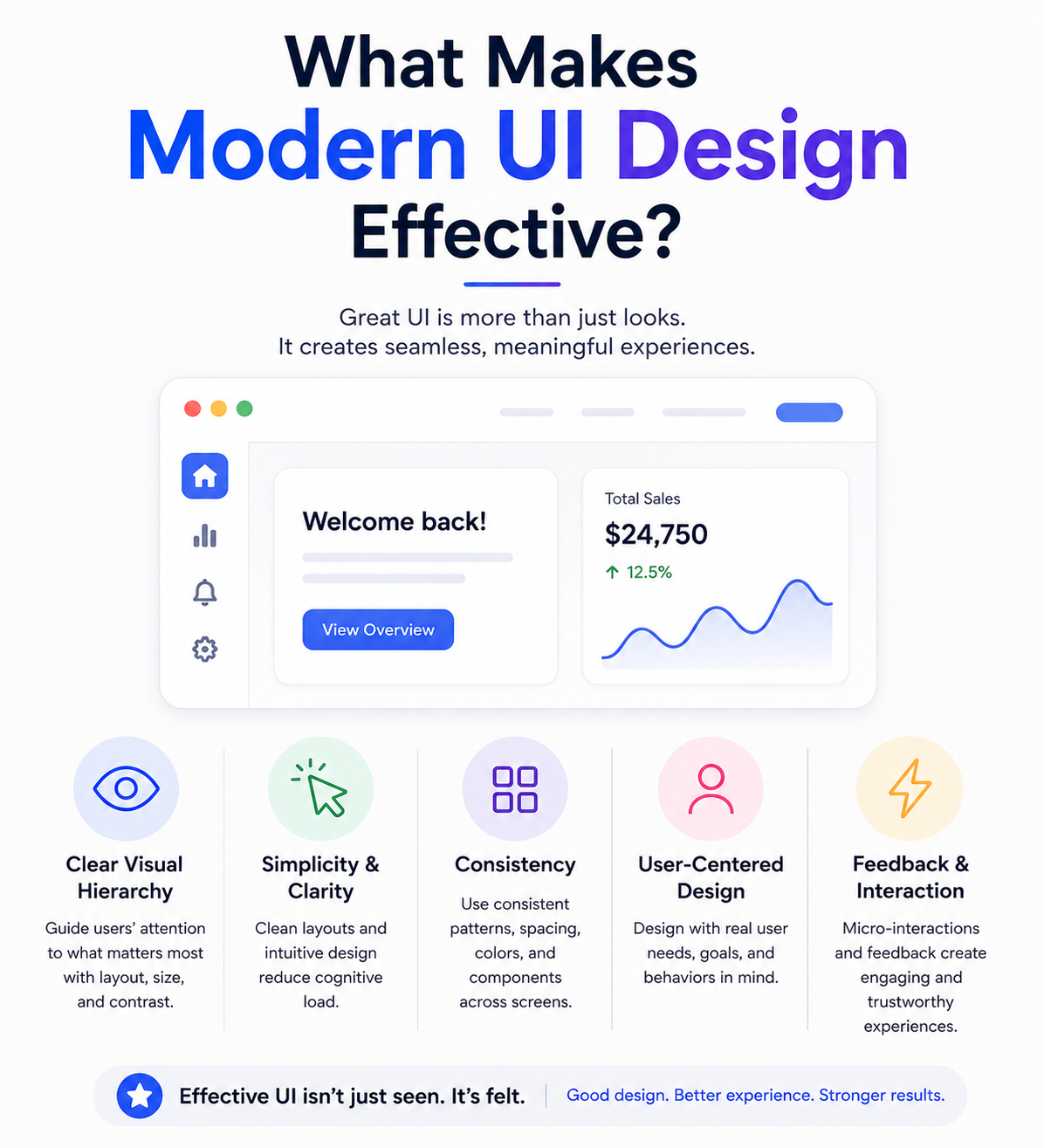
What Makes Modern UI Design Effective?
Quick Answer: Modern UI design is effective when it converts attention into action with the least friction possible. Five elements decide that: clear visual hierarchy, fast load performance, accessibility-first structure, functional micro-interactions, and a scalable design system. The stakes are quantified. Forrester research shows a well-designed interface lifts conversion rates by up to 200%, and…
-
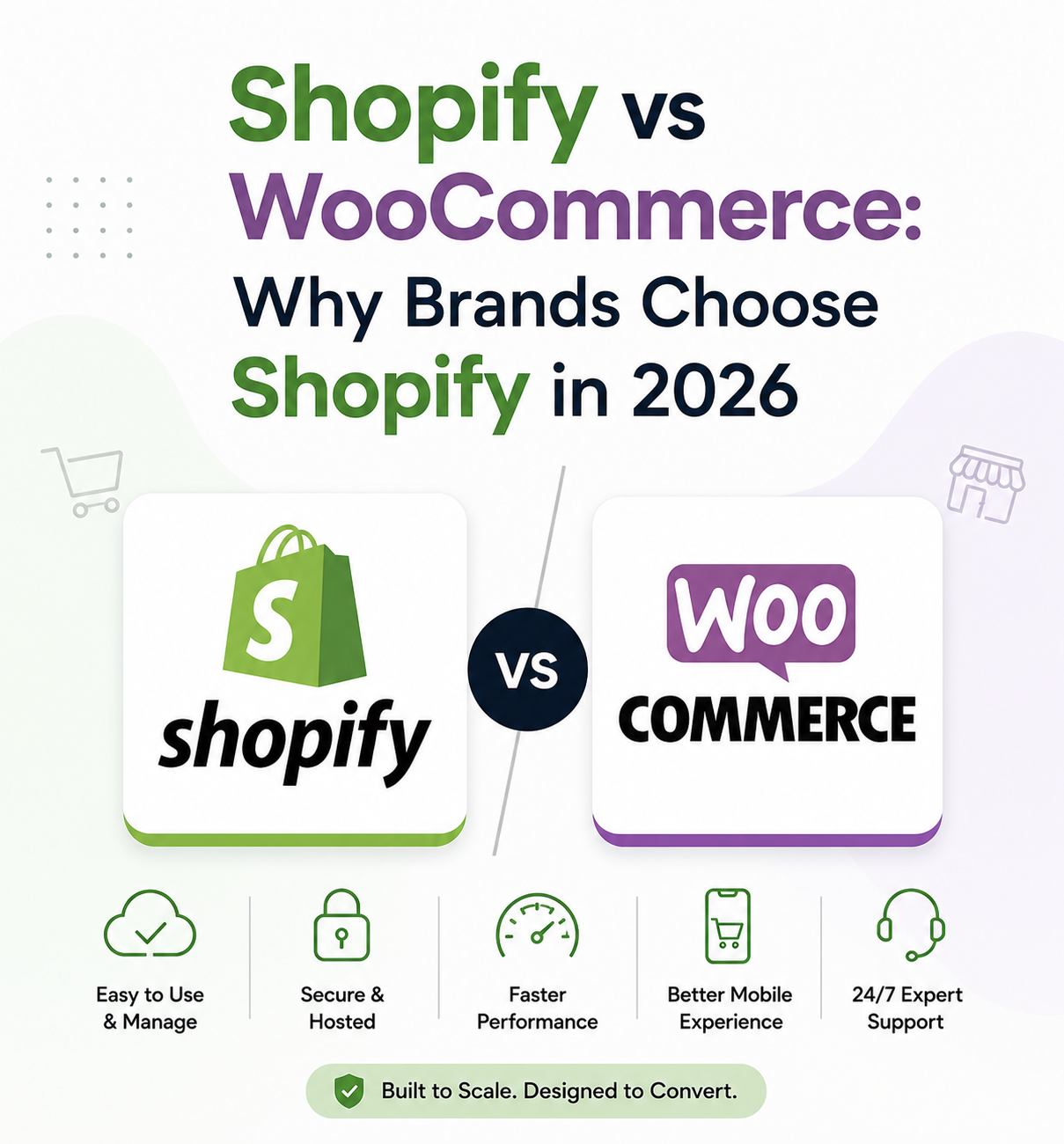
Shopify vs WooCommerce: Why Brands Choose Shopify in 2026
Quick answer: Brands choose Shopify over WooCommerce because it converts revenue faster with less operational drag. Shopify processed $378.4 billion in GMV in 2025 — up 29% year over year — while holding just 26.2% of platform market share. That gap between store count and revenue is the whole story. WooCommerce runs more stores (4.34…
-
Is Webflow Better Than WordPress in 2026? A Data-Backed Verdict
Quick Answer: Webflow is better than WordPress in 2026 for design-led business sites, SaaS marketing sites, and lean teams that want speed and security without maintenance. WordPress wins for content-heavy publishing, complex eCommerce, and teams that need deep plugin control. The data is clear: Webflow sites pass mobile Core Web Vitals at 68.9% versus 49.3%…
-
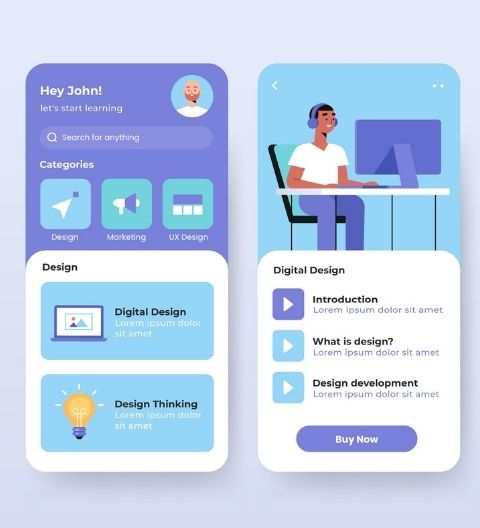
What Makes a Modern UI Design in 2026?
Answer Modern UI design in 2026 is defined by six traits: AI-driven adaptive layouts, calm minimalist interfaces that cut cognitive load, accessibility-first components, token-based design systems, functional micro-interactions, and mobile-first responsive structure. The shift is measurable. 73% of designers say AI as a design collaborator will have the most impact in 2026 (Lyssna, 2026), while…
-

What Makes a Good UX Design in 2026?
Quick answer: Good UX design in 2026 means an interface that is AI-assisted but human-verified, accessible by law, fast on mobile, and measurable in revenue. Five markers define it: task completion above 90%, WCAG 2.2 AA compliance, page loads under 2.5 seconds, transparent AI behavior, and personalization users can control. Forrester’s 2025 Total Economic Impact…
-
Design Systems Governance: How One UX Team Supports 60+ Products
Answer: Design systems governance is the set of rules, roles, and review processes that decide who can change a shared component library and how. One UX team supports 60+ products by running a hybrid model: a small central team owns core primitives and design tokens, product teams contribute inside guardrails, and a lightweight review keeps…